
The thermostat is a tiny gatekeeper with a huge job. It decides when your space heats up, cools down, or coasts. That little click you hear is comfort in action. But the story behind that click stretches across centuries, clever minds, and a lot of trial and error. If you’ve ever wondered when thermostats began, how they evolved, and what they might do next, you’re in the right place. This is a practical tour through thermostat history, packed with context and useful takeaways you can actually use. We’ll go from old incubators and round dials to learning algorithms and open standards. We’ll also call out gaps you won’t find in typical guides. Because there’s more to comfort than a set point on a wall.

What Is a Thermostat, Really? A Quick Primer
A thermostat is a control device. It senses temperature and then switches heating or cooling equipment on or off to hold a target value. Most home models still use simple on-off logic. Advanced models use smarter logic to reduce overshoot and short cycling. The core idea is the same: measure, decide, act.

In homes, the thermostat talks to your furnace, heat pump, boiler, or AC. It reads the room, compares it to your set point, and makes a call. In offices and factories, it plugs into complex HVAC systems with dampers, pumps, and fans. Cars and data centers also use thermostats. The device changed in looks and brains over time, but the loop never changed. Sense. Decide. Control.
Ancient Roots: The First Steps Toward Temperature Control
People controlled heat long before the word “thermostat” existed. Crafts and food needed steady warmth. That pushed early inventors to design crude feedback devices. Some used air pressure and water flow to hold a rough balance. They set the scene for modern control.
Many sources point to Cornelis Drebbel in the 1600s. He built a mercury-based regulator for an incubator. It kept eggs warm by expanding and shrinking with heat. That motion opened or closed a vent. The idea was simple but smart. It was not a home gadget. It was a lab tool. Yet it showed a clear path: use a physical property that changes with heat to adjust airflow or fuel.
Heat, Food, and Craft: Pre-Industrial Controls
Bakers and brewers learned how to “hold” temperature with tricks. They moved coals, opened vents, or used thicker walls. Some kilns used flaps or cones that drooped with heat. The “thermostat” was a human with skill. These methods lacked precision, but they worked well enough for bread, beer, and pottery.

This era matters because it reveals a theme. Good temperature control improves quality. That truth drives modern home and industry controls. Fewer swings mean better results, from loaves to living rooms.
The Age of Inventors: From Theory to Hardware
In the 1800s, industrial growth demanded stable heat. Spinning mills, chemical plants, and schools wanted comfort and safety. Inventors jumped in. Andrew Ure is often credited with a bimetallic thermostat concept around 1830. Two metals expand at different rates. Bond them. Bend them. Use the bend to open or close a circuit. That trick is still in many devices today.
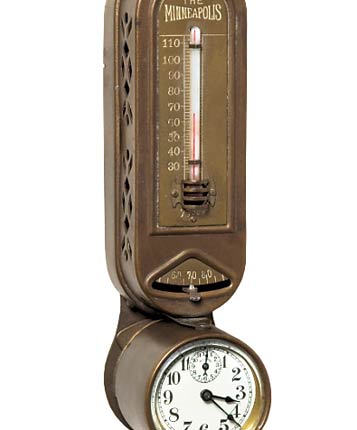
Warren S. Johnson patented an electric room thermostat in 1883. He later formed Johnson Controls. The device could ring a bell to call a janitor to stoke or slow the boiler. It was basic. But it put room-side sensing and action into one package. That shift made control faster and more local. The feedback loop got tighter.
On–Off, Proportional, and the Art of Not Overshooting
Most thermostats use on–off control. Heat when cold. Stop when warm. That works fine if swings are small. But systems have inertia. A furnace keeps heating for a bit after it shuts off. To counter that, designers added anticipators. An anticipator fakes a small heat signal to stop the system a bit early. That reduces overshoot.

Proportional control smooths things even more. It reduces power as you approach the set point. Many modern smart devices blend time, rate of change, and learned patterns. The goal is the same: fewer swings, fewer starts, better comfort. You feel the room steady out. Your system lasts longer, too.
The Round Thermostat That Ruled the Wall
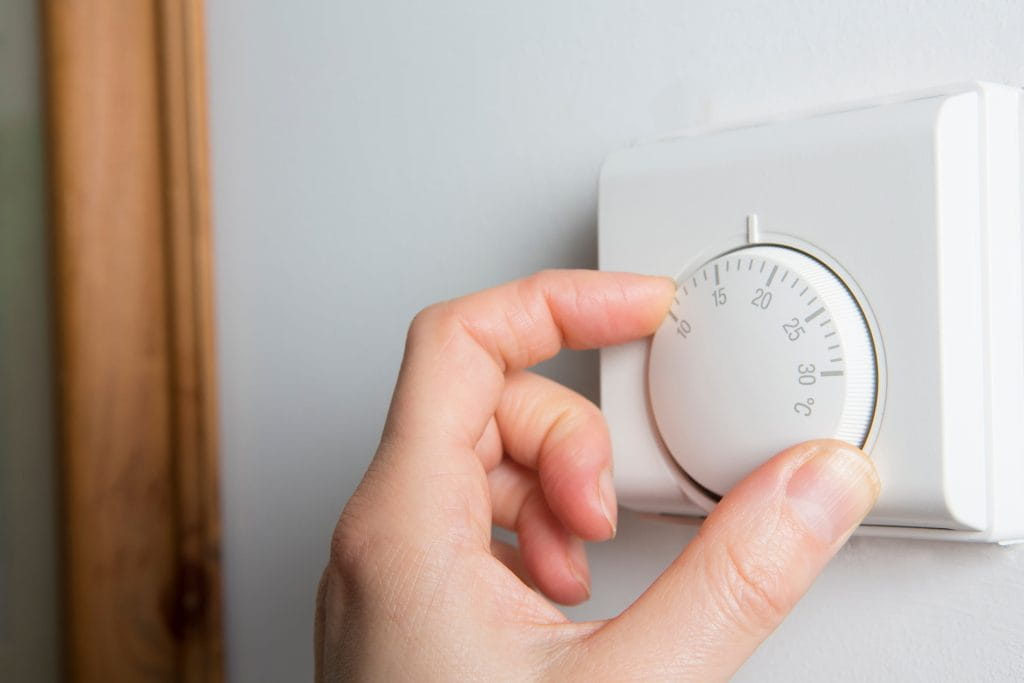
In 1953, Honeywell launched the T86 “Round.” It became the face of home temperature control for decades. The design, by Henry Dreyfuss, was clean and intuitive. Turn the dial. Set the comfort. Inside sat a bimetallic coil and a small glass mercury switch. Simple. Robust. Accurate enough.

The Round used a heat anticipator to cut overshoot. It worked well with furnaces of the era. It also set a template for user experience. One dial. One job. No clutter. You could “read” your comfort with a quick glance. It is one reason the Round still shows up in movies and retro photos. It is design that disappears into daily life, yet it defines a category.
Anticipators, Deadbands, and Comfort Feel
An anticipator is a tiny heater inside the thermostat. It nudges the bimetal to end a cycle early. That avoids the “too warm after shutoff” feeling. The deadband is the small gap between on and off. It prevents rapid short cycling. Most devices use a deadband of around 1 degree (or more in older units).

Get these wrong and you feel it. Too narrow and the furnace starts and stops too often. That wastes parts and power. Too wide and you feel hot-cold swings. Good thermostats balance the two. This is why some devices seem “cozier” at the same set point. The control logic matters as much as the number on the screen.
The Digital Shift: Programmable Thermostats Arrive
In the 1980s and 1990s, digital models took off. LCD screens replaced mercury vials and rotary dials. The big pitch was schedules. Set a weekday plan. Let the house cool when you are away. Save money. The logic was sound. Lower the set point when you do not need heat. Raise it just before you do. The U.S. EPA backed this idea hard.
Then the data rolled in. Many people did not program them. Or they set them wrong. Some models were clunky. Tiny buttons. Odd menus. The result: missed savings. In 2009, the EPA pulled the Energy Star label from stand-alone programmable thermostats. The problem was not the idea. It was the human-device interface.
Why Early Programmables Struggled
The screens were small. The labels were cryptic. The setup took time and patience. Life gets in the way. If you moved your schedule, you had to change the device. Many users gave up. Some left the unit in “hold” mode and never touched it again. No learning. No adaptation. No savings.
Utility bill studies showed wide gaps between expected and real savings. It was a wake-up call for the industry. Efficiency is not only about hardware. It is also about behavior and design. This lesson set the stage for the next wave.
The Smart Thermostat Era: Learning, Wi‑Fi, and the Cloud
In 2011, the first Nest thermostat tore up the script. It looked like a jewel. It learned your routine. It offered a clear screen and an easy turn-and-press interface. It connected to Wi‑Fi. It sent data to your phone. It could even join utility programs. The pitch was not “please program me.” It was “I’ll figure it out for you.”
Other brands moved fast. ecobee brought room sensors that fixed hot and cold spots. Honeywell (now Resideo) updated its line with sleek screens and apps. Devices added geofencing. If your phone left home, the system could set away mode on its own. They tied into home automation platforms and voice assistants. Comfort met polish. For many homes, energy use dropped with no extra effort.
Data, Privacy, and Security: What Your Wall Knows
A smart device knows when you turn heat on or off. It can infer when you are home. It can map your routine. These data points enable features. They also raise privacy questions. Good brands disclose what they collect and why. They let you opt out. They secure data with modern crypto.
Make sure the device supports two-factor sign-in. Set a strong router password. Keep firmware updated. Ask your brand how they handle outages. A good smart thermostat should keep your home comfortable even if the internet drops.
Comfort Science Gets Smarter: More Than Air Temperature
Modern models do more than read air. Some track humidity to reduce sticky summers and dry winters. Some learn your home’s thermal mass. They “pre-heat” or “pre-cool” so you feel perfect at the right time. Paired sensors watch multiple rooms and use averaging. That helps homes with uneven sun or poor duct balance.
Heat pumps get special gains. Smart logic can pick when to use backup heat, which is often costly. It can honor lockouts and thresholds. It can trim defrost penalties. The result is better comfort and lower bills, with less noise and fewer swings.
Thermostats Beyond Homes: Industry, Offices, and Cars
The word “thermostat” makes us think of a wall puck. But the concept runs through many spaces. In schools and office towers, local stats link to a building automation system. This backend uses schedules, sensors, and HVAC logic to manage many zones. It speaks protocols like BACnet or Modbus. It logs trends and alerts crews to failures.
Factories use tight temperature control for food, pharma, and chips. A small drift can ruin a batch. These systems use PID control and redundant sensors. Cars use a different “thermostat” in the engine. It is a wax or electronic valve that opens and closes to hold coolant temperature. It keeps engines efficient and emissions low.
Rooftops, VAV, and Building Automation Speak
Commercial rooftop units often use variable air volume (VAV) boxes to fine-tune flow. The stat calls. The box modulates. The supply fan ramps up or down. The brain in the middle watches everything. BACnet and Modbus tie it all together. Techs use trend logs to diagnose complaints like “too cold at 3 p.m.”
Good controls save money and reduce complaints. But they need upkeep. Calibration drifts. Schedules change. A simple Friday-night override can cause Monday-morning chaos. This is where dashboards and alerts earn their keep.
Cars and Cabins: The Thermostat You Never See
Your engine thermostat opens at a set temperature. It holds the sweet spot for power and cleanliness. Some modern cars use electronic stats for finer control. The cabin has its own climate brain. It blends hot and cold air, changes fan speed, and directs vents. Sun sensor? Check. Seat sensors? Sometimes. The goal is stable comfort with low noise and low draw.
If your car warms very slowly or overheats, the engine thermostat may be stuck. It’s a small part with a big job. Cabin climate issues often come from blend doors or sensors. The control logic is complex but the idea is the same: sense, decide, act.
A Global View You Rarely See: More Than North American Furnaces
Most articles lean on U.S. forced-air systems. That’s only part of the story. Europe and Asia use boilers, radiators, and in-floor heat. Many homes have space heaters or split heat pumps. Controls look and behave differently. Ignoring this misses key ideas and features that now cross borders.
In Europe, radiator valves with built-in thermostats (TRVs) are common. They modulate flow at the radiator, not at a central duct. Weather-compensated boiler controls adjust supply temperature to the outdoor conditions. The milder the day, the cooler the water. That saves fuel and keeps rooms even. In Japan, kerosene heaters and split systems often use room-side sensors and timers. These designs influenced today’s smart controls.
District Heating, TRVs, and Room-Level Control
District heating uses hot water from a central plant. Your building gets a heat exchanger and a meter. TRVs trim each room without touching the central plant. Smart TRVs now talk to a central hub through low-power radio. They learn your habits. They spread heat more evenly. They limit waste from overheated rooms.
This room-first mindset is spreading. Even in ducted homes, we now see room sensors that steer the call. They average or even prioritize rooms. That gives you a similar gain to TRVs without apartment-style piping.
Heat Pumps, Defrost, and Weather Compensation
Heat pumps are booming worldwide. Control is more complex than for furnaces. Outdoor units run long, low-power cycles. They defrost their coils in winter. Good thermostats work with this nature, not against it. They avoid calling for backup heat too soon. They move set points smoothly. They use outdoor sensors to forecast how fast the home warms.
Weather compensation also helps heat pumps and boilers. The controller changes the target output as the weather shifts. You get fewer swings and lower peaks. The home feels calmer. The system lasts longer. If your climate is mild, you can save a lot.
Standards and Interoperability: Making Devices Play Nice
Smart homes work best when devices talk well. In heat, the legacy link between stat and system is simple low-voltage wires. Smart features add radios and data models. That’s where standards matter. In Europe, OpenTherm lets a thermostat modulate a boiler with digital signals. It’s better than just on–off.
In the broader smart home, Matter, Thread, and Zigbee aim to make devices and brands interoperate. A Matter thermostat should work with your favorite app and voice helper without odd hacks. Utilities use CTA‑2045 (also called EcoPort) on some devices to support demand response. The plan is a future where comfort, apps, and the grid sync up.
Utility Programs, Rates, and the Grid Edge
Many utilities pay you to let them trim your load during peaks. A smart thermostat can join with a tap. When the grid is strained, your device raises the set point a bit. You might not notice. But the grid does. Time-of-use rates and real-time pricing are rising. A smart stat can shift your heating or cooling to cheaper, cleaner hours.
This is good for your bill and the climate. It is also good for comfort. Pre-heating or pre-cooling before a peak can keep your home steady while you save. Look for devices that can enroll fast. Ask your utility about rebates.
Sustainability and Repair: What Happens at End of Life
A thermostat sits on your wall for years. But it is still electronics. That means e-waste when you upgrade. Look for brands that offer take-back programs. Check if batteries are replaceable. Check if parts are standard. Ask about firmware support life.
Right-to-repair matters here too. If a device depends on a cloud that shuts down, you lose features. Choose brands with offline fallback modes. Prefer open standards to vendor lock-in. That way, your comfort survives app changes and mergers.
How Thermostats Actually Save Energy (and When They Don’t)
Thermostats save energy by cutting run time and peaks. Setbacks lower heat loss when you are asleep or away. Smarter cycling reduces short starts, which waste fuel. Better schedules align comfort with real needs. Sensors and learning close the loop.
But savings can drop if a home leaks air or if ducts are unbalanced. If you set a big setback in a poorly insulated home, you might need a big catch-up blast later. That can trigger costly backup heat on a heat pump. If your comfort dips, you might override the schedule. Then the savings vanish.
Setbacks, Deadbands, and the Type of System You Have
Forced-air gas systems handle setbacks well. Radiant floors do not. They have high thermal mass. They heat slowly and cool slowly. A big night setback can backfire. Use small shifts or use weather compensation instead. For heat pumps, moderate setbacks are best. If you go too deep, the stat may call for electric strips. That’s expensive.
Deadbands can save energy too. A slightly wider band reduces starts and stops. You may not feel the difference. But your blower motor will. If you dislike swings, try a stat that uses rate-of-change logic. It can keep things tight without extra cycling.
Choosing a Thermostat Today: A Buyer’s Guide for Real Homes
Start with your system. Do you have a furnace, boiler, heat pump, or dual fuel? Do you need humidifier or dehumidifier control? Count the wires. Check for a C‑wire. If you lack one, pick a model with a power extender kit. Then think about your day. Do you want to program it yourself? Or do you want it to learn?
Next, think about your apps and ecosystem. Do you use Alexa, Google, or Apple? Do you plan to add sensors later? Do you want home automation scenes? If yes, look for Matter or Thread support. If you love radiant floors or TRVs, look for weather compensation or room-sensor control. A little match-making up front pays off for years.
Features That Matter (Not Hype)
- Room sensors and averaging to fix hot/cold spots
- Geofencing for easy away mode
- Good heat pump logic and backup heat control
- Clear scheduling and a big, readable screen
- Reliable Wi‑Fi and offline fallback
- Open standards: Matter, Zigbee, OpenTherm where relevant
- Utility program support for demand response and rebates
- Privacy controls and exportable data
You can skip gimmicks like flashy themes or niche voice tricks. Focus on the features you will use every day. Ease of use wins. Your future self will thank you.
Compatibility Pitfalls to Avoid
- No C‑wire and no power kit
- Boiler systems without an OpenTherm-capable stat when you want modulation
- Heat pumps with electric backup controlled by a stat that cannot lock out strips
- Multi-stage or dual fuel systems paired with single-stage stats
- TRVs plus a central stat that fight each other
Double-check your wiring and model numbers. Read your equipment manual. If in doubt, ask a pro. A 10-minute check can save hours of headaches.
Installation Tips from the Field
- Photograph your old wiring before you touch anything
- Label wires with stickers, not memory
- Cut power at the breaker, not just the switch
- Mount the base level and away from drafts or sun
- Use the app’s guided setup if offered
- Test heat, cool, fan, and any accessories before you tidy wires
If you live in an old home, consider moving the stat if it sits near a draft or heat source. A bad location hurts comfort more than any brand choice.
A Quick Timeline: Milestones That Shaped Comfort
The arc of thermostat tech is long. Here are the highlights that matter most for how we live today.
- Ancient to 17th century: Craft-based heat control and early feedback ideas
- Circa 1620: Drebbel’s mercury regulator for incubators
- 1830s: Bimetal concepts enter industrial use
- 1883: Warren S. Johnson patents an electric room thermostat
- Early 1900s: Thermostats spread to schools and offices
- 1953: Honeywell T86 Round launches
- 1980s–1990s: Digital and programmable thermostat models rise
- 2009: EPA removes Energy Star from stand-alone programmables
- 2011: Nest thermostat brings learning and sleek UX to the wall
- Mid-2010s: Room sensors, geofencing, and utility integration go mainstream
- 2020s: Matter, Thread, and open standards push for a unified smart home
Common Myths, Busted
Some myths hang around because they sound right. Here’s what to know, in simple terms.
-
Myth: Turning the heat way up warms the home faster.
Truth: Most systems heat at a fixed rate. You only risk overshoot. -
Myth: Smart thermostats always save 20%.
Truth: Savings vary with your home, climate, and behavior. The best feature is often insight. -
Myth: Setbacks always save energy.
Truth: They help most forced-air systems. They can hurt radiant floors and some heat pumps. -
Myth: A thermostat fixes hot and cold rooms.
Truth: It can help with sensors. But ducts, dampers, and insulation matter more. -
Myth: Wi‑Fi outages break smart thermostats.
Truth: Good models keep local control. You just lose remote features until it’s back.
Competitor Gaps: What Most Articles Miss (And Why It Matters)
A lot of guides cover the big names and the basics. They miss how culture, building style, and grid programs shape your choice. They skip non-U.S. systems. They gloss over OpenTherm, TRVs, and weather compensation. They do not tell you how Matter and Thread can future-proof your home. They also skip engine thermostats, even though the concept links. If you want a complete picture, these parts matter.
Another gap: privacy and long-term support. Many posts do not ask what happens if a cloud service shuts down. Few explain how to keep comfort when the Wi‑Fi dies. Too many compare shiny features without testing how the device handles heat pump lockouts, radiant slab lag, or boiler modulation. They skip utility programs, which can give you cash up front. They skip standards like BACnet in commercial spaces, where the biggest savings live. You deserve better. This guide fills those holes and shows you how to act on them.
Why the Story Matters: Lessons From Thermostat History
Stories stick because they teach. This story is no different. When you look at the long arc of thermostat history, you learn a few blunt lessons. User experience decides if features save energy. Open standards keep your setup flexible. Local sensing plus smart logic beats brute force. And the best device for you fits your system and your life, not a spec sheet.
Knowing this helps you avoid hype. It helps you talk to installers with confidence. It helps you pick the right features for your climate. It also shows where the market is going: toward open, smart, and adaptive control that plays well with the grid.
Frequently Asked Questions
Q: Do smart thermostats work without Wi‑Fi?
A: Yes. Most still control heat and cool locally. You lose the app and remote features until the connection returns.
Q: Which is best for a heat pump?
A: Choose a model with heat pump balance settings. It should manage backup heat, use weather data, and avoid deep setbacks.
Q: Do I need a C‑wire?
A: Many smart models need a C‑wire for steady power. Some include a power extender kit. A pro can add a wire if needed.
Q: What is OpenTherm?
A: It is a digital language between a boiler and a thermostat. It allows modulation, not just on–off. That gives smoother heat and better efficiency.
Q: Is geofencing safe for privacy?
A: It can be. Pick brands with clear data policies. Use device-level privacy controls. You can turn it off if you prefer.
Q: How often should I replace a thermostat?
A: There’s no strict rule. If yours works and you like it, keep it. Upgrade when you want better features, or your system changes.
Q: Can a thermostat fix humidity?
A: Some can control a humidifier or dehumidifier. Others use AC tweaks to help. For tough cases, consider a dedicated device.
Q: Does a bigger touchscreen matter?
A: It helps ease of use. That can boost savings because you’ll actually set schedules and modes. Clarity matters.
Q: What about renters?
A: Look for battery-powered models that do not need a C‑wire, or ask your landlord. Smart room sensors can help even if you cannot swap the main stat.
Q: Can thermostats help with time-of-use rates?
A: Yes. Some offer rate-aware schedules or utility integration. They can pre-heat or pre-cool when power is cheap and clean.
Conclusion
Thermostats are small, but they shape how we live every day. The path from Drebbel’s regulator to today’s learning devices is full of bright ideas and practical fixes. Along the way, we learned that humans, not just hardware, decide outcomes. Clear design wins. Open standards win. Smart, quiet control wins. And the best thermostat is the one that fits your system, your habits, and your goals.
If you take one thing from this guide, make it this: comfort is a system, not a gadget. Match the thermostat to your equipment. Use room sensors in tricky homes. Enable the features you will use. Ask about standards and privacy. Then let the device do its job. That is the promise of modern control, built on a long, fascinating journey through thermostat history—and it’s finally delivering.
